Mastering Coconut Flour Pancakes: Your Guide to Fluffy, Not Dense (Keto Tips Included!)
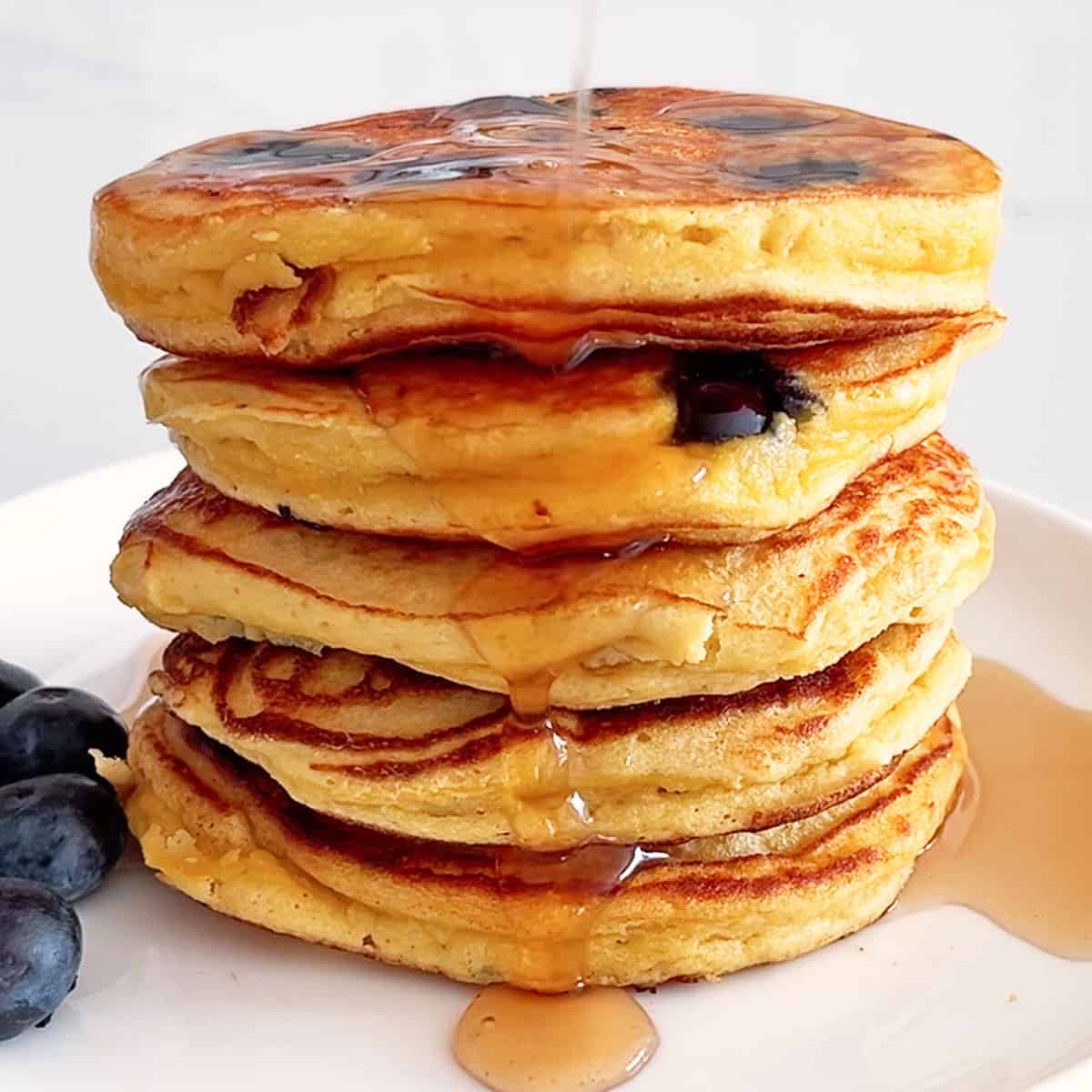
Imagine a stack of golden-brown pancakes, light as air, delicately soft on the inside, and perfectly crisp on the edges. Now imagine them being incredibly low-carb, packed with fiber, and a nutritionist's dream. For many following a ketogenic lifestyle, this sounds like a fantasy, especially when venturing into the "alternate universe" of baking with coconut flour. This unique ingredient, while a keto staple, often presents a challenge: how do you prevent your coconut flour pancakes from turning into dense, rubbery hockey pucks? The good news is, it's not just possible to achieve that coveted fluffiness, it's easier than you think with the right tricks up your sleeve.
Working with coconut flour truly is a different ballgame compared to traditional wheat flour. Its incredible absorbency and high fiber content mean it behaves uniquely, often defying the expectations of seasoned bakers. But once mastered, it becomes an incredibly versatile ingredient, perfect for everything from savory dishes to decadent desserts. And for those new to its quirks, creating light and fluffy coconut flour pancakes is an ideal starting point to build confidence and understand its characteristics. Not only will you gain valuable insight into this ingredient, but you'll also be rewarded with a truly delicious and satisfying keto breakfast that's far from eggy or dry.
Unlocking the Secrets of Coconut Flour: Why It Behaves Differently
Before we dive into the 'how-to,' it's crucial to understand the 'why' behind coconut flour's often-frustrating behavior. Unlike wheat flour, which contains gluten that provides elasticity and structure, coconut flour is naturally gluten-free. Its primary characteristic is its phenomenal absorbency. A small amount of coconut flour can soak up a surprising volume of liquid – far more than you'd expect from other flours. This high fiber content is fantastic for satiety and digestive health, making it a powerful ally in a keto diet, but it's also the main culprit behind dense baked goods if not handled correctly.
This absorbency means that recipes often call for a significant amount of liquid ingredients, particularly eggs, to provide the necessary moisture and structure. Without enough hydration, your batter will be too thick, leading to dry, crumbly, and indeed, dense results. The key lies in finding the perfect balance, ensuring the flour is fully hydrated without making the batter watery, and then introducing elements that promote lightness and airiness.
The Art of Lightness: Fluffiness-Boosting Techniques for Coconut Flour Pancakes
Achieving truly fluffy coconut flour pancakes requires a strategic approach. It's not just about mixing ingredients; it's about understanding how each component contributes to the final texture. Here are the cornerstone techniques:
- The Sparkling Water Revelation: This is arguably one of the most transformative tips for coconut flour pancakes. Replacing still water (or even milk) with sparkling water introduces tiny bubbles of carbonation directly into your batter. As the pancakes cook, these bubbles expand, creating pockets of air that lend an incredible lightness to the finished product. Since coconut flour inherently lacks the structure of gluten, every bit of added air makes a significant difference in preventing that dreaded denseness.
- Embrace the Eggs (and How to Use Them): Many people are surprised by the number of eggs required in coconut flour recipes. Rest assured, when done correctly, your pancakes will not taste "eggy" or turn rubbery. Eggs play multiple vital roles here: they provide essential moisture, act as a binder, and contribute to the structure. For optimal fluffiness, ensure your eggs are at room temperature. Some recipes even benefit from separating the eggs and whipping the whites to soft peaks before gently folding them into the batter, though this isn't always necessary for an easy recipe. The key is to incorporate them well but avoid overmixing once the flour is added, which can develop toughness.
- Give Your Batter a Rest: Patience is a virtue, especially with coconut flour. After mixing your batter, allow it to rest for 5-10 minutes. This crucial step gives the coconut flour time to fully absorb the liquids, resulting in a thicker, more uniform batter that will cook more evenly and yield a better texture. Skipping this step often results in pancakes that are too thin or fall apart when flipped.
- Strategic Leavening Agents: While not explicitly mentioned in every simple recipe, incorporating a leavening agent like baking powder (ensure it's gluten-free if necessary) is a common practice to further enhance lift and tenderness. Baking powder reacts with liquids and heat to create carbon dioxide gas, aiding the sparkling water in generating that airy texture.
- Flavor Balance is Key: Coconut flour does have a subtle coconut flavor, which some enjoy, but others prefer to mask or mellow. A generous splash of vanilla extract is your best friend here, complementing the sweetness and ensuring the pancakes taste rich and satisfying, not overwhelmingly "coconutty" or plain. Other flavor enhancers like a pinch of cinnamon, nutmeg, or even a touch of lemon zest can further elevate the profile without adding carbs.
Keto-Friendly Benefits & Smart Meal Prep
Beyond their delightful taste and texture, coconut flour pancakes offer significant advantages for those following a ketogenic diet. With less than 3g net carbs per serving, they are an ideal breakfast choice that won't derail your macros. But the benefits extend beyond just low carbs:
- Fiber Powerhouse: Coconut flour is exceptionally high in dietary fiber. This means your pancakes are not only filling but also promote healthy digestion and help maintain stable blood sugar levels, preventing the post-meal crash often associated with traditional carb-heavy breakfasts.
- Protein-Packed: Thanks to the generous number of eggs and the inherent protein in coconut flour, these pancakes are a surprisingly good source of protein. This combination of fiber and protein contributes significantly to satiety, keeping you fuller for longer and making them a powerful tool against mid-morning snack cravings. As a nutritionist might advise, it's about making smart choices that naturally lead to sustained energy.
- The Ultimate Make-Ahead Meal: One of the most practical aspects of coconut flour pancakes is their freezer-friendly nature. You can easily make a large double or triple batch on a Sunday morning and enjoy healthy, delicious breakfasts throughout the week or even for months. Simply refrigerate them in an airtight container for up to a week, or freeze them layered with parchment paper in a freezer-safe bag or container for several months. When hunger strikes, a quick pop in the toaster, microwave, or a warm skillet will bring them back to life, making healthy eating incredibly convenient and preventing that feeling of cooking being a chore. This "breakfast once, eat twice (or more!)" philosophy is a fantastic "shameless shortcut" for consistent healthy eating.
Tips for Perfecting Your Pancake Experience
Even with the best batter, proper cooking techniques can make or break your pancake dreams:
- Embrace the Electric Griddle: If you've ever struggled with pancakes sticking or burning unevenly, an electric griddle is a game-changer, especially with coconut flour, which can sometimes be notorious for sticking. A good quality non-stick electric griddle ensures even heat distribution across the cooking surface, allowing you to flip your pancakes with ease, often without needing any additional oil or cooking spray. This results in beautifully cooked, uniformly golden pancakes every time.
- Test Your Heat: Regardless of your cooking surface, ensure your pan or griddle is preheated to the correct temperature – medium-low to medium heat is usually ideal. Too hot, and the outsides will burn before the insides cook through; too cool, and your pancakes will be pale and won't develop that desirable crisp edge. A good test is to drop a small amount of batter; if it sizzles gently and forms bubbles within 30-60 seconds, you're good to go.
- Portion Control: Coconut flour pancakes tend to be a bit thicker and more substantial than their wheat counterparts. Use a ¼ cup measuring cup or an ice cream scoop for consistent sizing, ensuring even cooking and beautiful stacks.
- Beyond the Stack: Creative Serving Suggestions: While sugar-free syrup and a pat of butter are classic, don't be afraid to get creative! Top your coconut flour pancakes with fresh berries, a dollop of sugar-free whipped cream, a sprinkle of chopped nuts, or even a generous smear of almond or peanut butter. For an extra protein boost, consider serving them alongside high-protein chia pudding, a rich avocado chocolate pudding, or a scoop of cottage cheese for a truly satisfying and balanced meal.
Mastering coconut flour pancakes is a journey of understanding and a little bit of patience. By embracing the unique properties of this powerful keto ingredient and applying these simple, yet effective techniques, you'll transform your breakfast routine. Say goodbye to dense, uninspiring pancakes and hello to delightfully fluffy, filling, and genuinely delicious stacks that perfectly fit your low-carb lifestyle. Enjoy the process, savor the results, and revel in the joy of a truly satisfying keto breakfast.
